Call for Free Estimates and Financing!
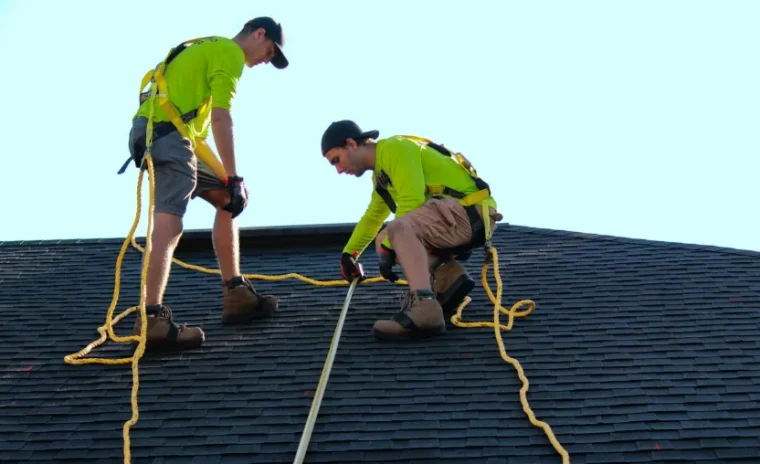
Wondering what is included in roof replacement? A new roof is a major investment, and knowing each step helps you plan and prepare with confidence. From the first inspection to the final cleanup, every stage of a full roof replacement plays a vital role in protecting your home.
This guide explains exactly what a complete roof replacement involves, the roof replacement materials used, and what a new roof consists of, so you know what to expect when replacing your entire roof.
Why Roof Replacement Matters
Your roof protects everything beneath it. Over time, even the strongest roof wears down from heat, wind, and rain. When repairs are no longer enough, a full replacement becomes the most effective long-term solution.
A complete roof replacement improves your home’s appearance, boosts energy efficiency, and increases property value. It also helps prevent leaks, rot, and insulation problems before they become costly.
Step 1: Roof Inspection and Assessment
Every roof replacement begins with a detailed inspection. Your roofing team checks for leaks, water damage, and signs of age.
What They Look For:
- Shingles that are missing, curling, or broken
- Soft or rotted decking beneath shingles
- Flashing that has rusted or come loose
- Blocked or poorly placed attic ventilation
This inspection determines whether repairs can help or if a full roof replacement is necessary. It also helps estimate materials, labor, and time.
Step 2: Roof Removal and Tear-Off
Once the decision is made, the old roof must come off. Roofers remove shingles, nails, flashing, and underlayment until only the decking remains.
This tear-off process exposes any hidden damage that must be fixed before installing new materials. Skipping this step or layering new shingles over old ones can lead to trapped moisture or uneven surfaces. A complete roof replacement always starts with a clean foundation.
Step 3: Inspecting and Repairing the Roof Deck
The decking is the base of your roof. After removal, it is inspected for soft spots or rot. If boards are weak or warped, they are replaced to ensure stability.
A strong deck is essential for the layers that follow. Without it, even the best shingles or panels can fail. Replacing damaged decking is a crucial part of what is included in roof replacement.
Step 4: Installing the Underlayment
Underlayment is the hidden barrier that sits between your decking and the top roofing layer. It keeps moisture out and adds a second line of defense against leaks.
Common Roof Replacement Materials for Underlayment:
- Felt underlayment: Traditional and affordable
- Synthetic underlayment: Lightweight, durable, and resistant to tearing
- Ice and water shield: Used in valleys and edges for extra protection
Choosing the right material depends on your roof type and local weather. No matter the choice, this layer is part of what defines what a new roof consists of.
Step 5: Adding Flashing and Drip Edge
Flashing and drip edges are thin metal strips placed around chimneys, valleys, and vents to guide water away. They stop leaks where different roof sections meet.
Reusing old flashing might seem economical, but it can cause leaks later. A true complete roof replacement always includes fresh flashing to ensure lasting protection.
Step 6: Improving Roof Ventilation
Proper ventilation helps your roof breathe. Without airflow, heat and moisture can build up, causing mold and structural damage.
During a roof replacement, your team may install or upgrade:
- Ridge vents
- Soffit vents
- Gable vents
- Roof turbines
Balanced ventilation extends roof life and improves indoor comfort.
Step 7: Installing New Roofing Material
Now the transformation begins. Your roofing material defines both the look and strength of your roof.
Common Roof Replacement Materials:
- Asphalt Shingles: Affordable and versatile, lasting 20 to 30 years
- Metal Roofing: Durable, energy-efficient, and recyclable
- Tile Roofing: Elegant and long-lasting, ideal for warm climates
- Slate Roofing: Natural and built to last for generations
Each layer is installed carefully from eaves to ridge for a watertight seal. At this stage, homeowners can truly see what a new roof consists of.
Step 8: Cleanup and Final Inspection
Once installation is complete, every piece of debris, nail, and scrap is cleared from the site. Then, a final inspection confirms that all materials are properly installed and sealed.
This final step ensures your roof is solid and ready to face the elements. A thorough inspection marks the official end of your full roof replacement.
Step 9: Warranty and Care Instructions
After your roof replacement, your contractor explains your warranty details. This includes:
- Material coverage for defects
- Workmanship coverage for installation
You also receive basic maintenance tips. Regular inspections, clean gutters, and proper ventilation help extend the life of your new roof.
What Does a New Roof Consist Of?
If you still wonder what is included in roof replacement, here’s a quick look at the layers that make up a typical roofing system:
| Component | Function |
| Decking | Provides structural support |
| Underlayment | Protects against water and moisture |
| Flashing | Prevents leaks at joints |
| Drip Edge | Guides water away from fascia |
| Shingles or Panels | Main weatherproof layer |
| Ventilation System | Maintains airflow and temperature |
| Sealant and Fasteners | Hold all layers together |
These elements combine to create a roof that is durable, efficient, and visually appealing.
Factors That Affect Roof Replacement Cost
Each complete roof replacement is unique. Costs depend on:
- Roof size and slope
- Material selection
- Local labor rates
- Underlayment upgrades
- Decking repair needs
Metal roofs and premium shingles cost more upfront but deliver longer service and greater energy savings. Reliable roofers can provide free estimates to help you plan wisely.
How Long Does Roof Replacement Take?
A typical roof replacement takes one to three days for most residential homes. Larger or more complex roofs may take longer.
Weather, material availability, and hidden repairs can influence the timeline, but good communication keeps the project running smoothly.
When to Consider Replacing Your Entire Roof
It may be time to consider replacing your entire roof if you notice:
- Frequent leaks or ceiling stains
- Missing, cracked, or curling shingles
- Sagging or uneven rooflines
- Excess granules in gutters
- Visible mold or moss
If your roof is more than 20 years old, scheduling an inspection is wise. A planned full roof replacement often costs less than repeated emergency repairs.
Why Roof Replacement Is Better Than Repeated Repairs
Patching problem spots may delay damage for a while, but it rarely lasts. Multiple repairs can create weak points and mismatched sections.
A complete roof replacement offers consistent materials, full coverage, and a fresh warranty. It ensures every part of your roof works together for strength and reliability.
Environmentally Friendly Roof Replacement Options
Modern roof replacement materials can also be eco-friendly. Metal roofing, for instance, often contains recycled content and can be recycled again at the end of its life.
Reflective shingles and cool roof coatings help reduce energy use and indoor heat, making your home more efficient and environmentally responsible.
Final Thoughts: What Is Included in Roof Replacement
So, what is included in roof replacement? Every stage, from inspection and tear-off to installation and cleanup, matters. A complete roof replacement gives your home a new start, combining function, beauty, and protection for years to come.
Knowing what a new roof consists of helps you make confident decisions, choose the right materials, and understand the value of replacing your entire roof when the time comes.
Why Choose Seminole Roofing & Construction
At Seminole Roofing & Construction, we have served Seminole, TX, and surrounding areas since 1996. Roofing runs in our family, and our dedication shows in every project. With more than 15 years of hands-on experience, we provide roof replacements, metal roofing, and custom roofing solutions for local homes and businesses.
We offer free estimates and financing options, and we treat every roof as if it were our own. Call us today at (432) 209-7283 to schedule your inspection and see how we can protect your home with care and quality.